DiveDex Smart Goggles
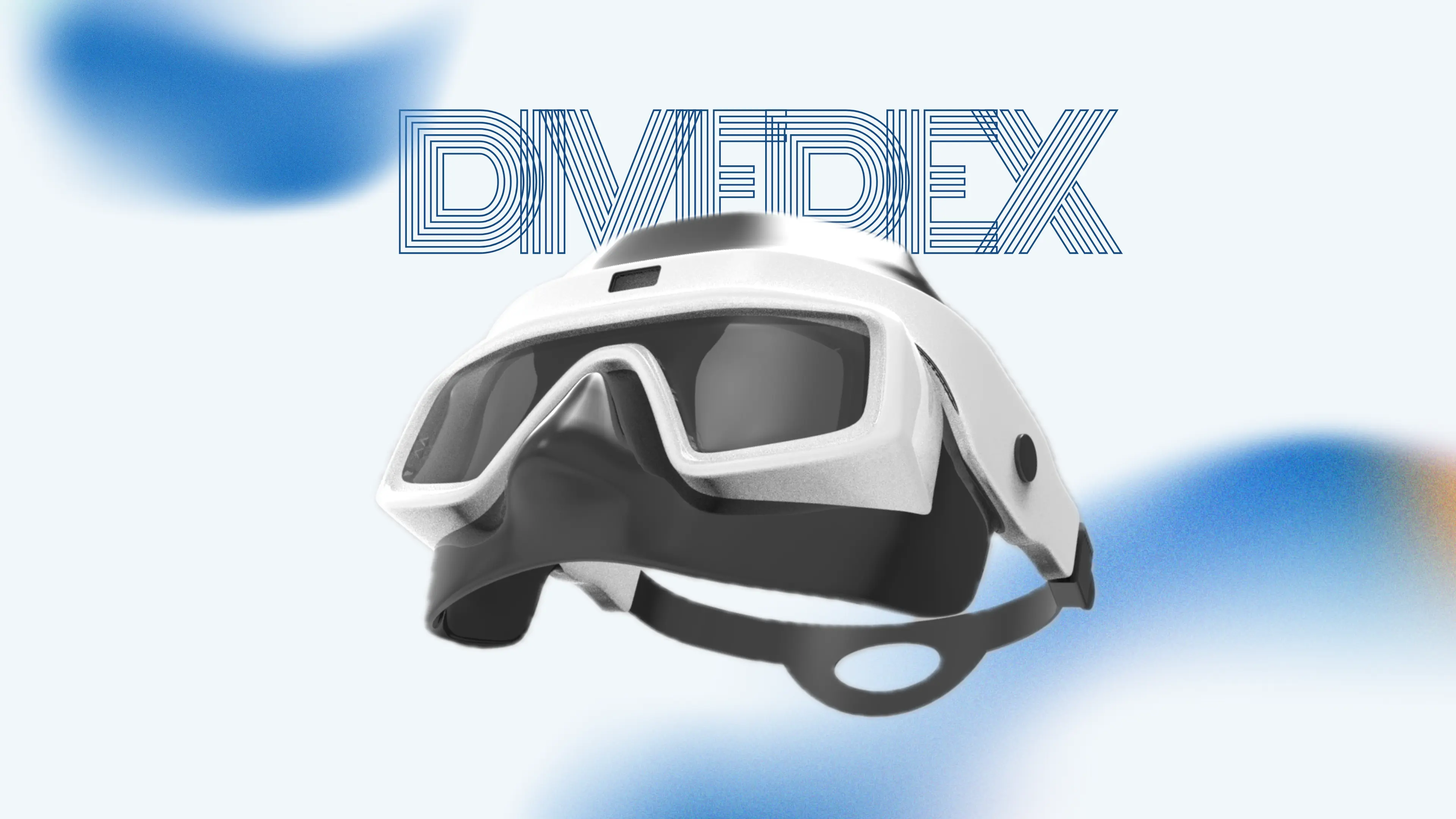
Smart Diving Goggles for Marine Recognition
Smart Diving Goggles for Marine Recognition
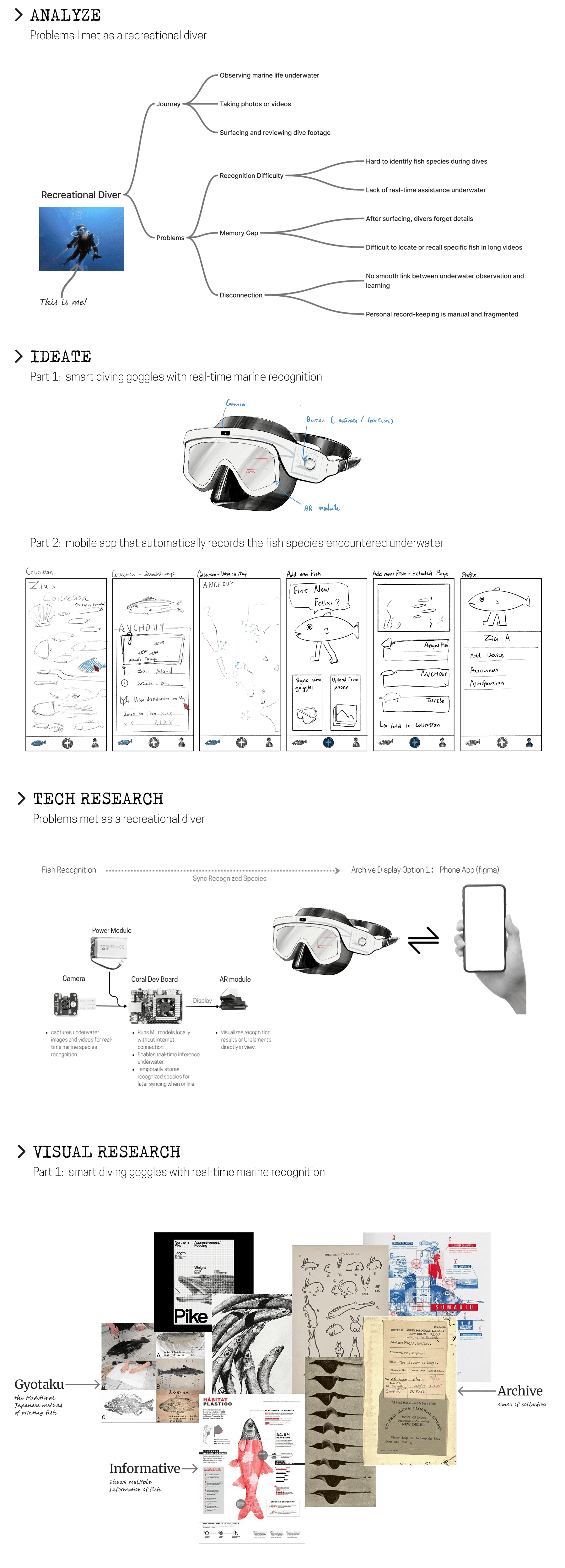
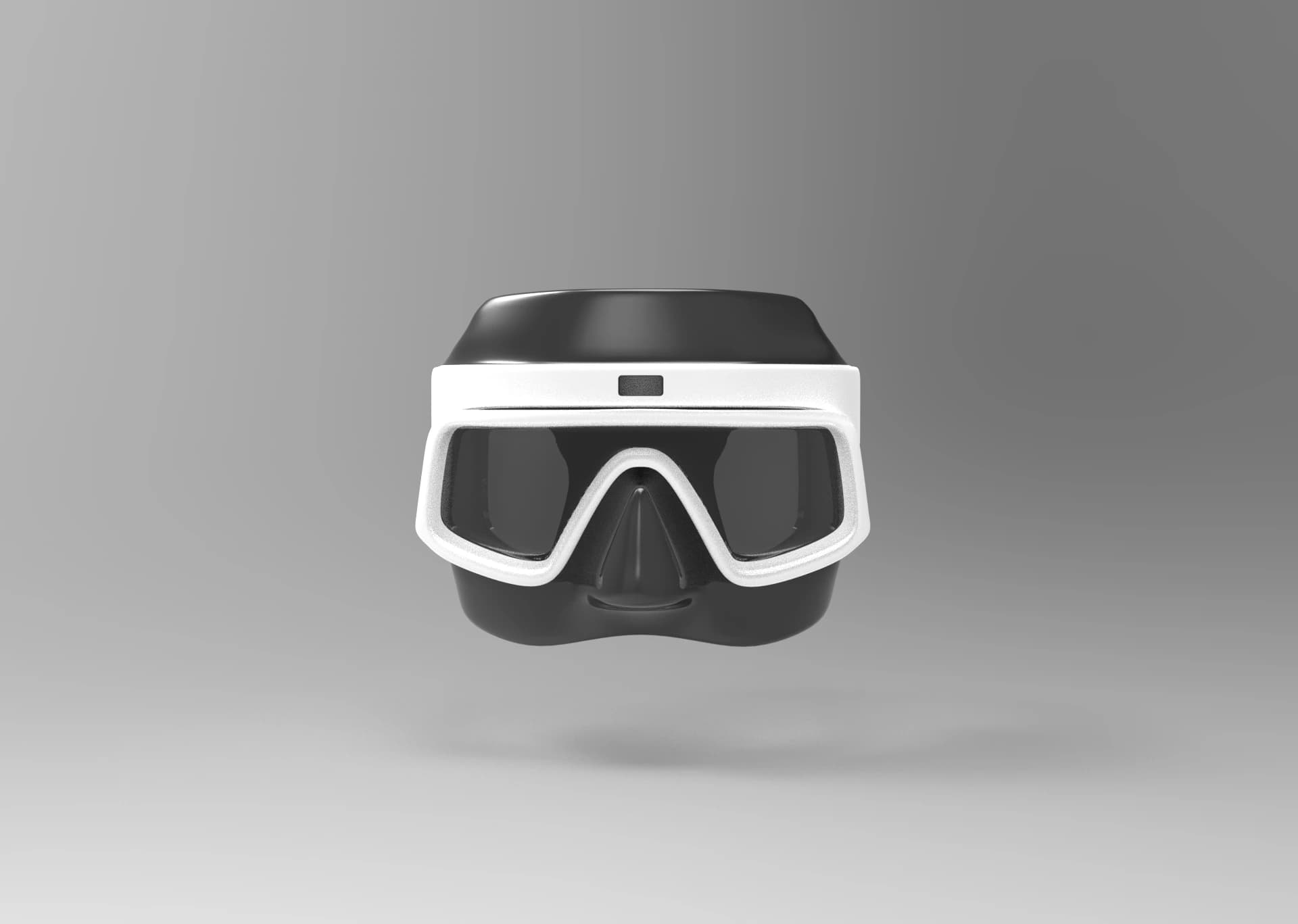
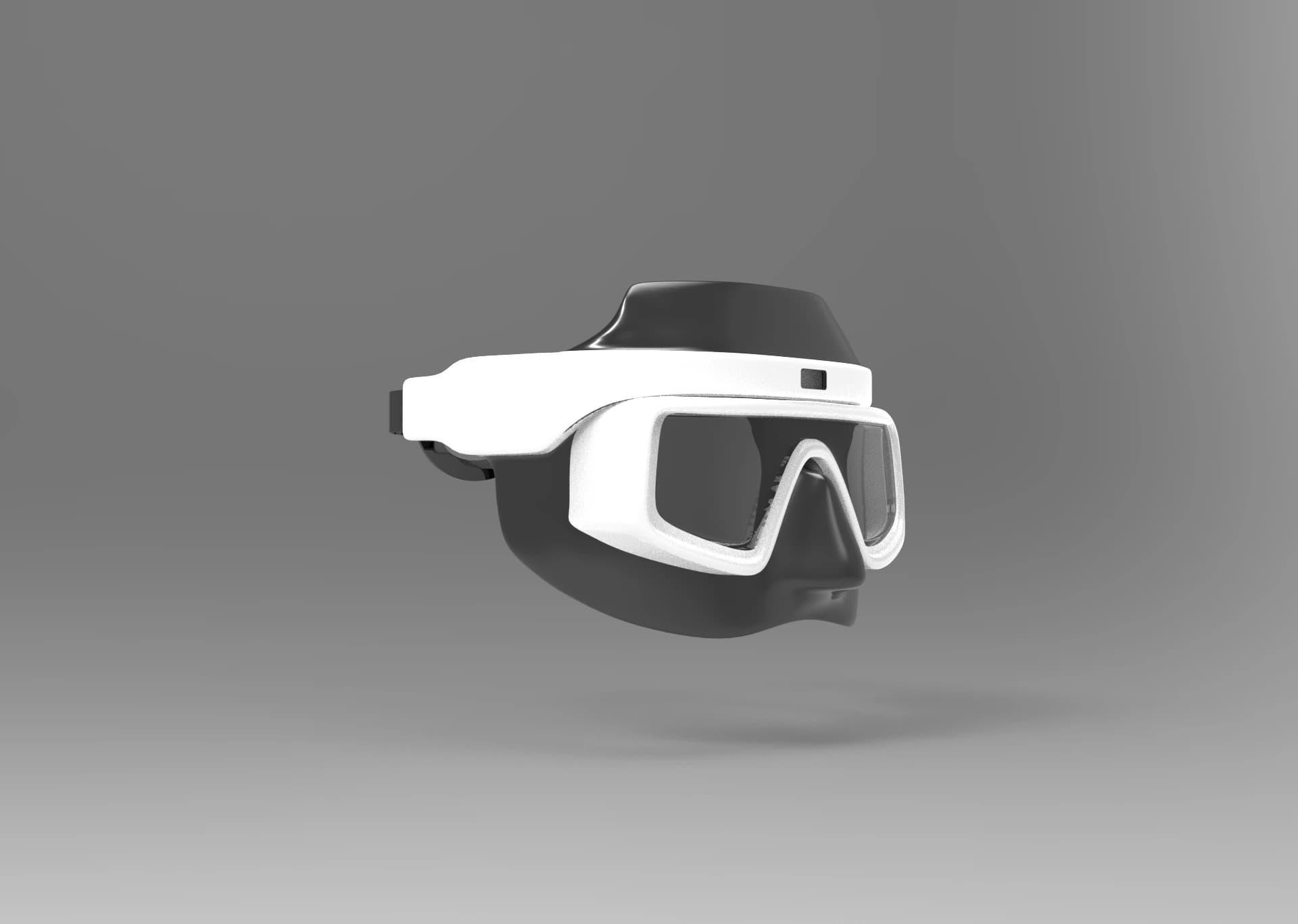
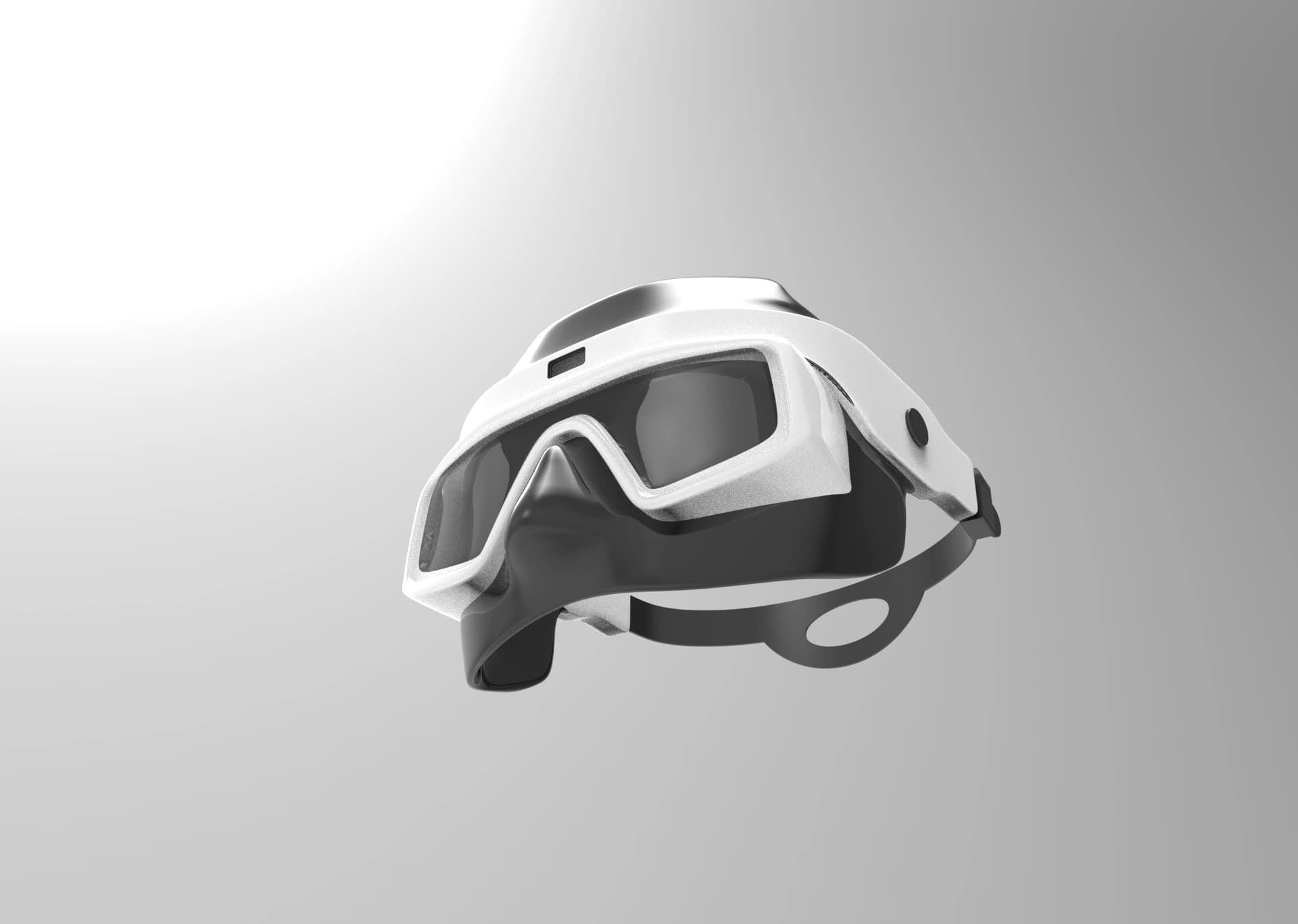
DiveDex Smart Goggles explores how marine recognition could become part of the underwater experience. The concept combines a physical goggle design, a simple in-dive interface, and a companion app for reviewing detections after surfacing. The work includes Rhino models, interface studies, and an early on-device recognition prototype; integration into working diving goggles remains a future step.
PART 1: Industrial Design
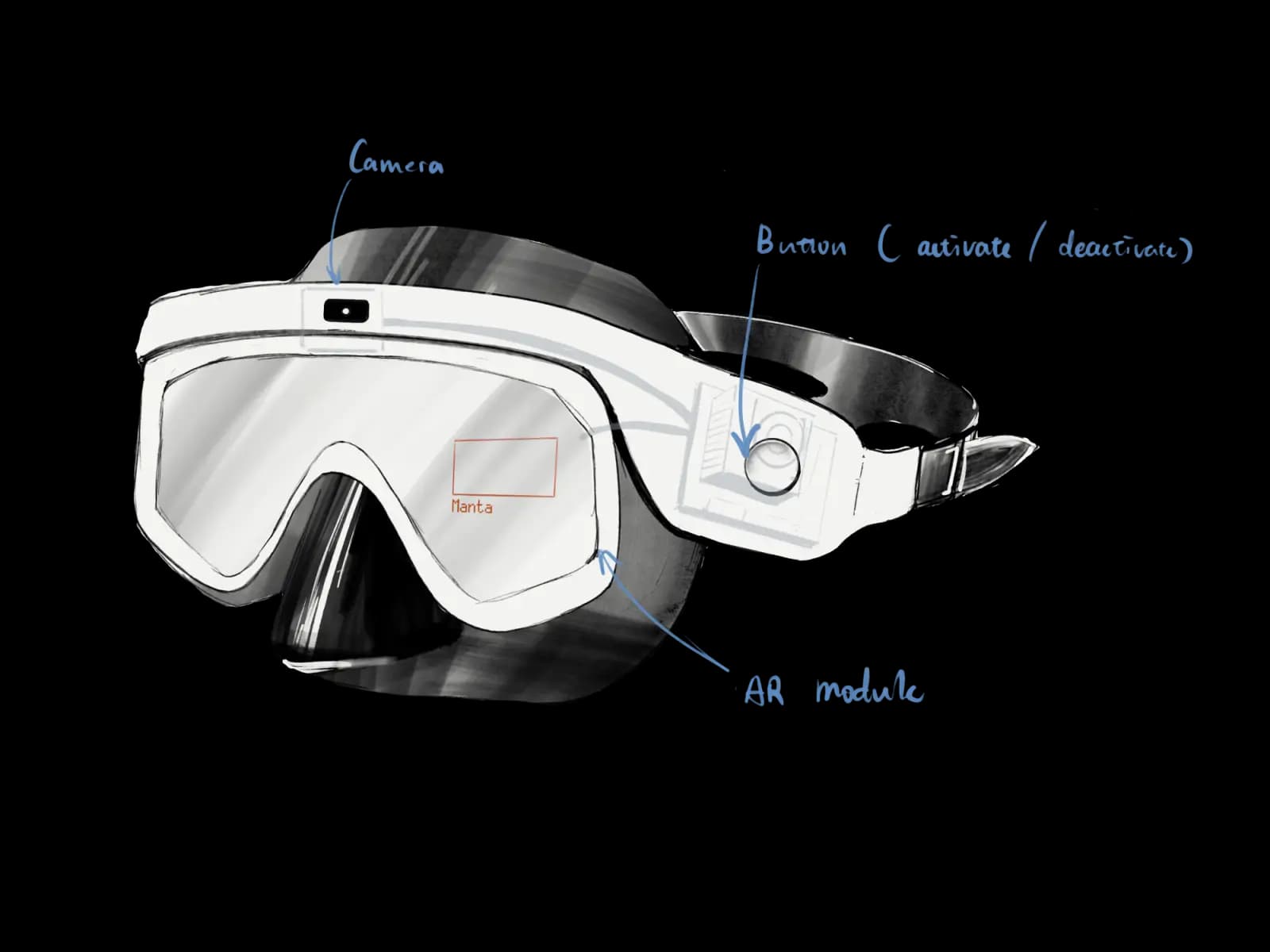
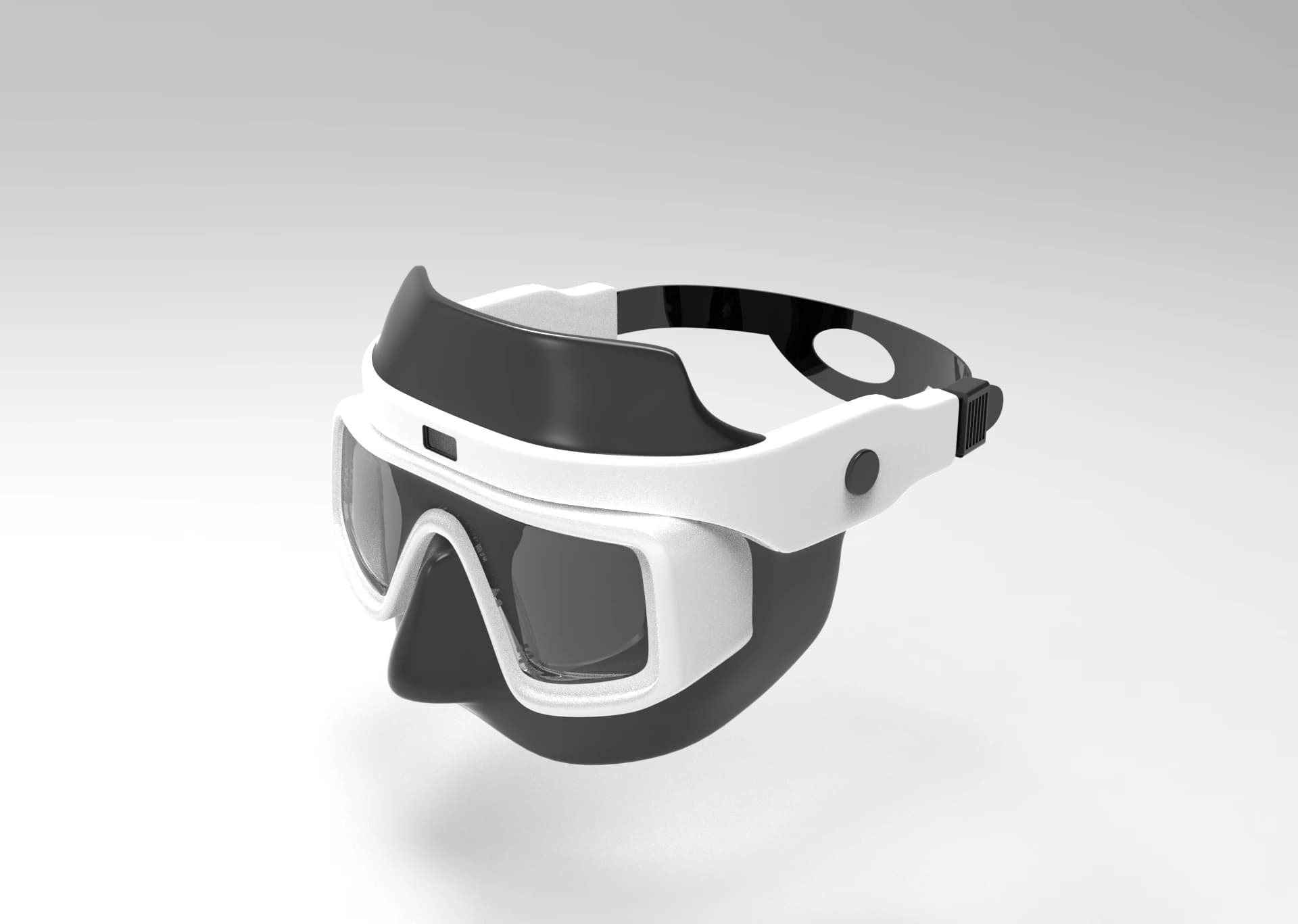
I added a side button that lets divers activate or deactivate the recognition feature. It is placed on the left side to avoid interference with the regulator hose. This gives divers control over when they want information and lets them turn the feature off when they prefer an uninterrupted experience.
PART 2: UI Design
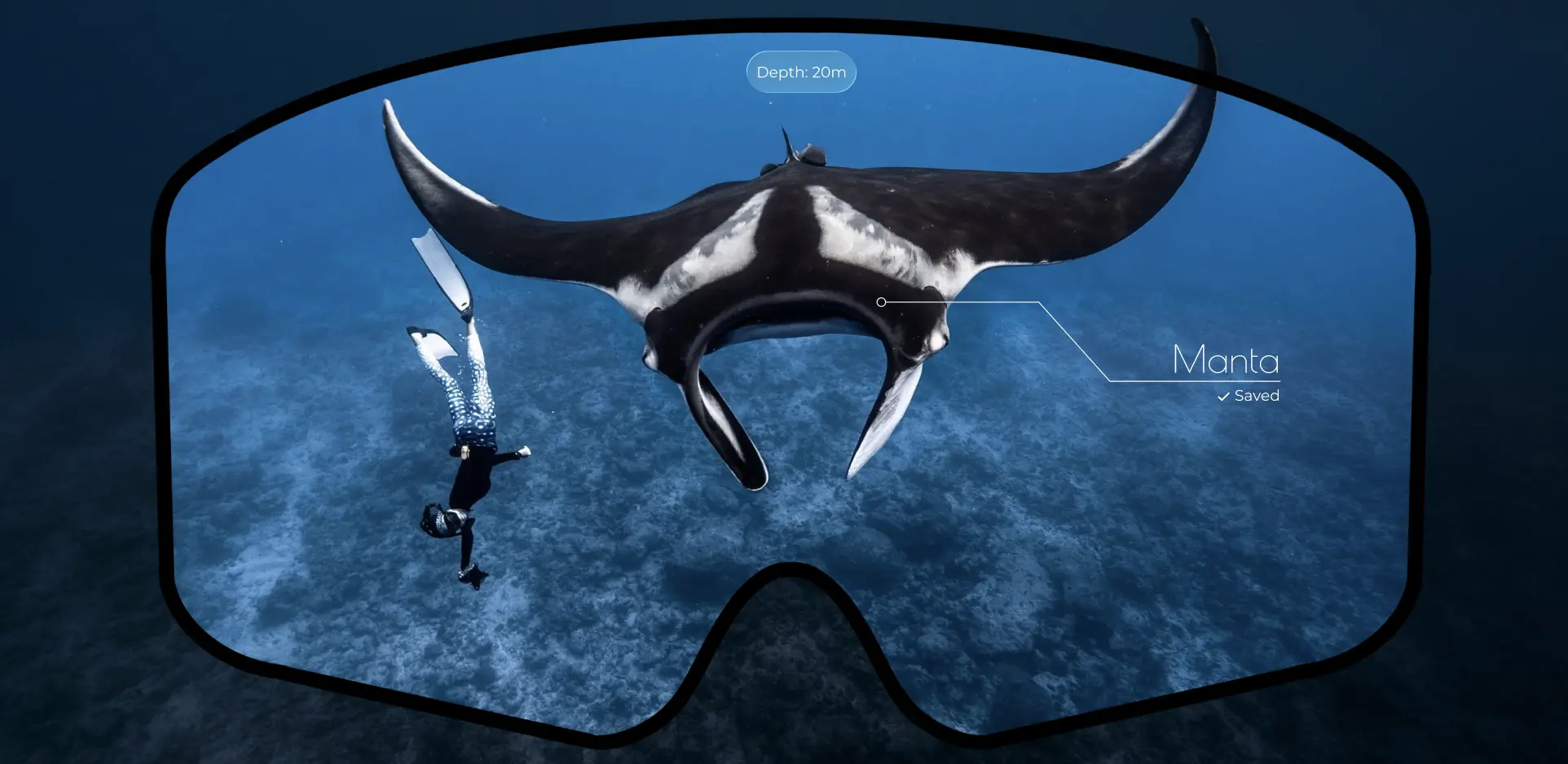
While designing the UI for the goggles, my main goal is to keep it as simple as possible. When diving, there is already so much information to process, and an overly complicated interface would only create distractions and take attention away from the surroundings.
This technical prototype focuses on testing the core pipeline of video-based marine species recognition on-device, without relying on an internet connection. At this stage, the system can upload a video clip through the app and run a basic fish-recognition model locally. The current model is an early test version, so its accuracy is still limited—especially when handling motion blur, underwater color shifts, and partially occluded fish.
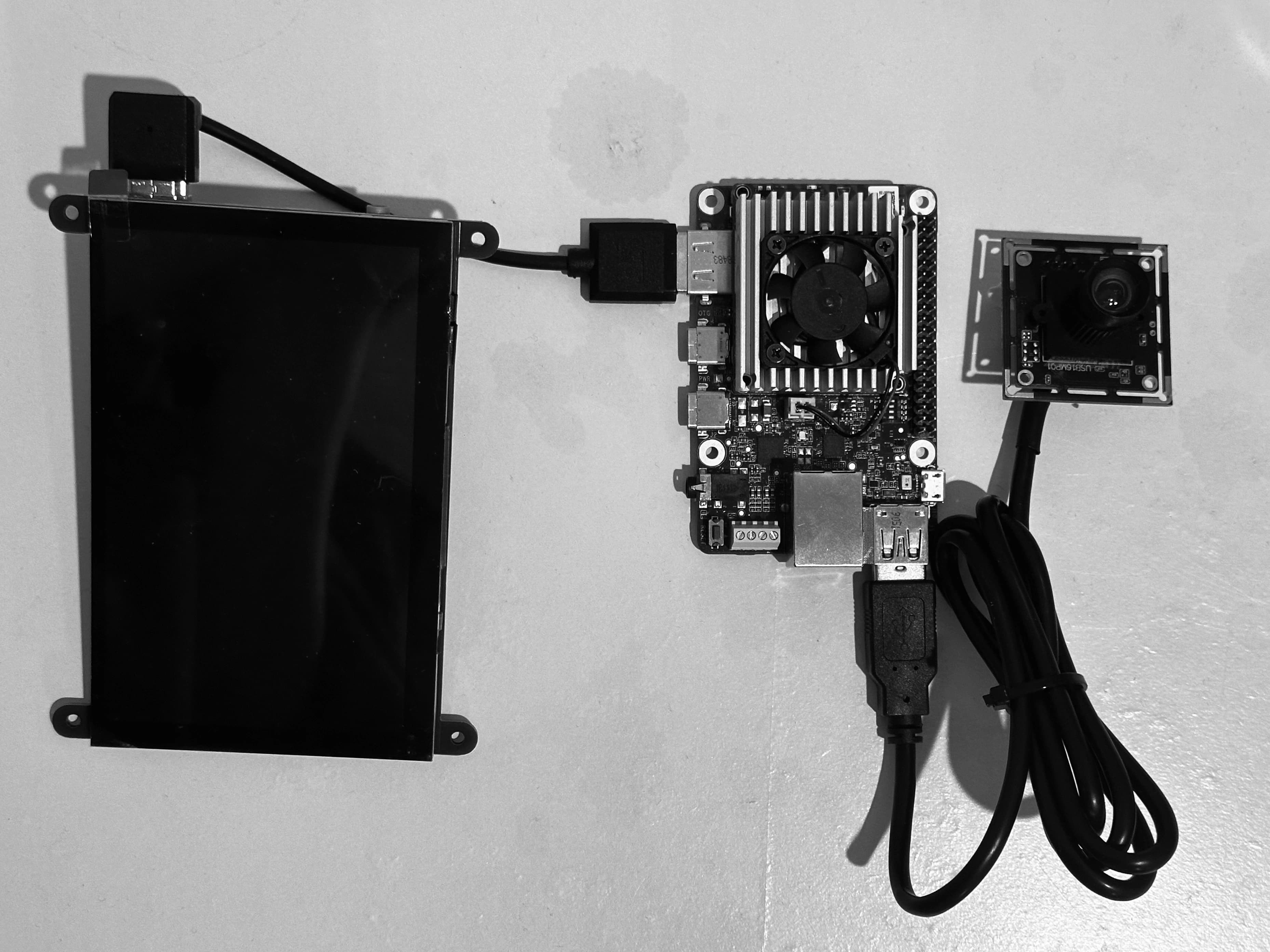
At the end of the earlier prototype, I outlined the following possible next steps:
• Model Improvement: Retrain or fine-tune the recognition model using clearer underwater footage and a more diverse fish dataset. Testing a smaller, mobile-optimized model (e.g., MobileNet-based) for faster inference on low-power devices.
• On-Device Performance: Optimize preprocessing of underwater images—color correction, noise removal, and frame selection—to improve accuracy without increasing computation.
• Data System: Add structured local storage so every recognized fish can be saved with timestamp, location, and confidence level. This will support the future “collection page” and user profile features.
• UX Expansion: Design a smoother upload-to-recognition flow, allowing users to review, edit, and organize their recorded dives.
• Integration with Hardware: In later prototypes, connect the app with the physical smart diving goggles to automatically import captured photos or clips.
• Community Features: Long-term additions may include species-sharing, dive logs, and collaborative identification tools.